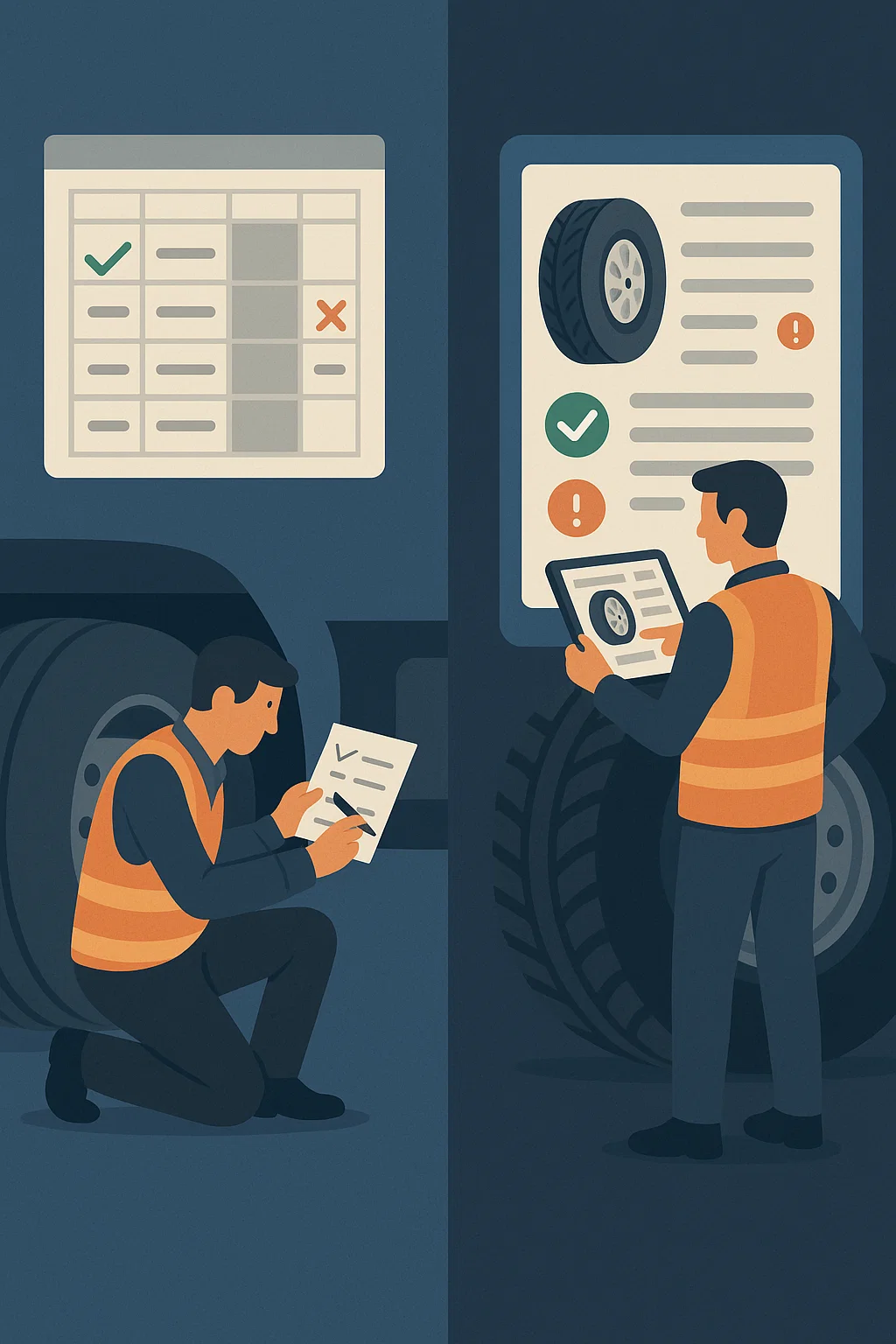
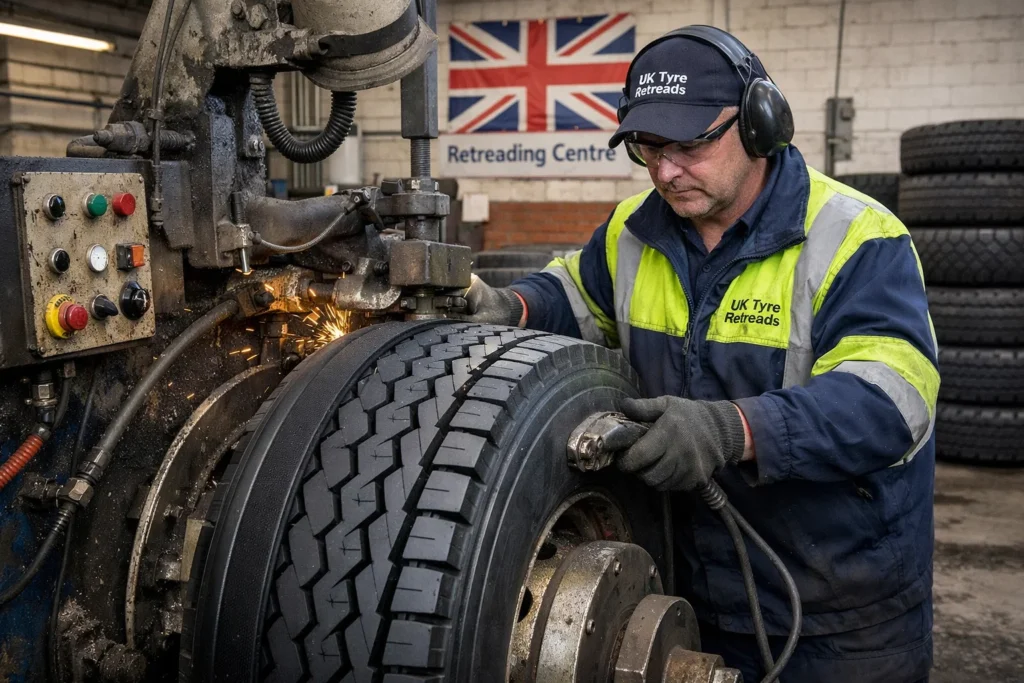
If there is one part of fleet maintenance that often feels like a puzzle, it is keeping track of casings. A tyre may come off a vehicle for a routine rotation, then find itself heading to a retread partner the following week. Somewhere in that journey, paperwork gets misplaced, someone forgets to log a movement or a casing simply disappears without explanation. When fleets rely on manual notes or depot spreadsheets, it is easy to lose sight of where each casing went and whether it ever returned. This is why retread tyre management has become a priority for operators who want tighter control over costs.
Retreading can save fleets a substantial amount of money, but only if casings are handled properly and tracked with care. TyreOps was built to make this process easier, clearer and far more reliable.
In this guide we take a close look at how digital tracking transforms retread management, why casing visibility matters and how TyreOps gives fleets the confidence to run retread programmes without the usual frustrations.
Why retread tyre management matters for fleets
Retreading has long been used by fleets to extend the working life of their tyres, yet many still struggle to measure the value they actually receive. Some casings go missing before they reach the retreader. Others return without clear documentation. A few may be rejected, and no one is quite sure why. Over time these small inconsistencies add up, and the benefits of retreading become much harder to prove.
A well managed retread process is about much more than moving tyres from A to B. It requires:
- A clear record of every casing leaving the depot
- A verified audit trail of casings reaching the retread partner
- Transparent results, including acceptance, rejection or repair work
- Evidence that the retreaded tyre returned to the correct depot
- A link to the tyre’s wider lifecycle history
This is where digital systems outperform paper records. TyreOps removes the guesswork by tracking each casing from the moment it comes off a vehicle until it is either returned or permanently scrapped.
How TyreOps simplifies casing movements
When fleets use TyreOps, retread tyre management becomes part of a consistent lifecycle process. Every casing is tagged with a unique ID, so the system always knows which tyre is being handled. Once logged, TyreOps tracks each movement through clear event types that technicians follow step by step.
1. Casing removal and initial assessment
The first stage occurs when a tyre is removed from a vehicle. Technicians record the reasons for removal, tread depth, wear patterns and any visible defects. This stage is essential because it provides the evidence retread partners rely on to accept or reject casings.
These early events also form part of the tyre’s long-term lifecycle history. Fleets can compare how different vehicles, axle positions or routes affect casing condition. The TyreOps Lifecycle Reporting tools make this much easier to understand and present internally.
2. Depot-to-depot movements
If a casing needs to be stored or transported before retreading, TyreOps records each transfer. This is particularly useful for fleets operating across several depots, where casings can easily be mixed or misplaced.
Clear digital records reduce the risk of confusion and avoid situations where one depot assumes another has the casing when it was never actually received. More on these transfers is covered within the Tyre Movement tools.
3. Sending casings to retread partners
This is where many fleets lose visibility when relying on non-digital systems. TyreOps logs every casing sent for retreading, including the date, partner and batch details. As soon as the casing leaves the depot, its status updates automatically so fleet managers can see the movement in real time.
Batch reporting also helps fleets consolidate collections and review the number of casings being sent each month.
4. Retread outcomes recorded clearly
Once the partner inspects the casing, the result is fed back into TyreOps. The system records whether the casing was:
- Accepted
- Rejected
- Repaired
- Retreaded successfully
Rejected casings are often where cost savings are won or lost. TyreOps gives fleets the documentation they need to challenge unexpected rejections or adjust fleet policies if specific issues repeat themselves.
5. Returning the retreaded tyre to service
When a retreaded tyre returns, TyreOps logs the re-entry event and links it directly to the casing’s history. This allows fleets to see exactly how long the casing lasted, how many retread cycles it has completed and how it compares with new tyres.
Fleets that analyse this information regularly take fewer risks and make more informed procurement decisions. They can also forecast future casing requirements more accurately.
The impact of tyre lifecycle visibility on fleet costs
Most operators know retreading saves money, but very few can say how much. Without clear data, cost analysis becomes guesswork. TyreOps solves this by mapping retread activity into broader lifecycle reporting.
The system helps identify:
- Casings that fail earlier than expected
- Depots that routinely remove tyres too soon
- Vehicles that produce more scrap than others
- Retread success rates by partner
- Cost differences between new and retreaded tyres
This data builds a clearer picture of fleet behaviour. With better evidence, operators can refine their tyre policy and reduce unnecessary spending.
The TyreOps Cost Analysis tools support this wider review.
How TyreOps prevents casing losses
One of the most common frustrations with retread tyre management is losing casings in transit. Without accurate tracking, it becomes very difficult to prove whether a casing left a depot, reached the partner or ever came back.
TyreOps closes these gaps by giving every casing its own digital path. Movements cannot be overwritten or hidden, and each event carries a timestamp and source. This makes audits smoother and gives fleets the confidence to run retread programmes without worrying about missing assets.
FAQs
How does TyreOps help with retread tyre management?
TyreOps tracks every casing from removal to retreading and back into service. Each movement, inspection and outcome is stored digitally, which helps eliminate paperwork and confusion.
Can TyreOps reduce casing losses?
Yes. Digital event tracking ensures that every casing has a clear movement history, which greatly reduces the chances of tyres going missing between depots or retread partners.
Does TyreOps handle rejected casings?
The system logs rejection reasons so fleets can review patterns, challenge inconsistent decisions and adjust maintenance practices.
Can retread programmes save money?
Retreading often delivers substantial savings, and TyreOps helps validate those savings with clear lifecycle and cost analysis data.
Is TyreOps suitable for multi-depot fleets?
It is built for them. The platform tracks tyre movements across multiple locations without losing sight of a single casing.