Fleet vehicles cover thousands of miles every week. They hit potholes, carry loads, brake hard, and face every kind of weather the UK throws at them. And every one of those journeys relies on tyres being in the right condition.
But here’s the thing — unless you’ve got eyes on every tyre, every day, problems get missed. That’s where TPMS comes in.
Tyre Pressure Monitoring Systems aren’t new, but they’ve gone from being a nice-to-have to an essential part of running a fleet efficiently.
Let’s break down what TPMS does — and why more fleet managers are relying on it.
What Is TPMS?
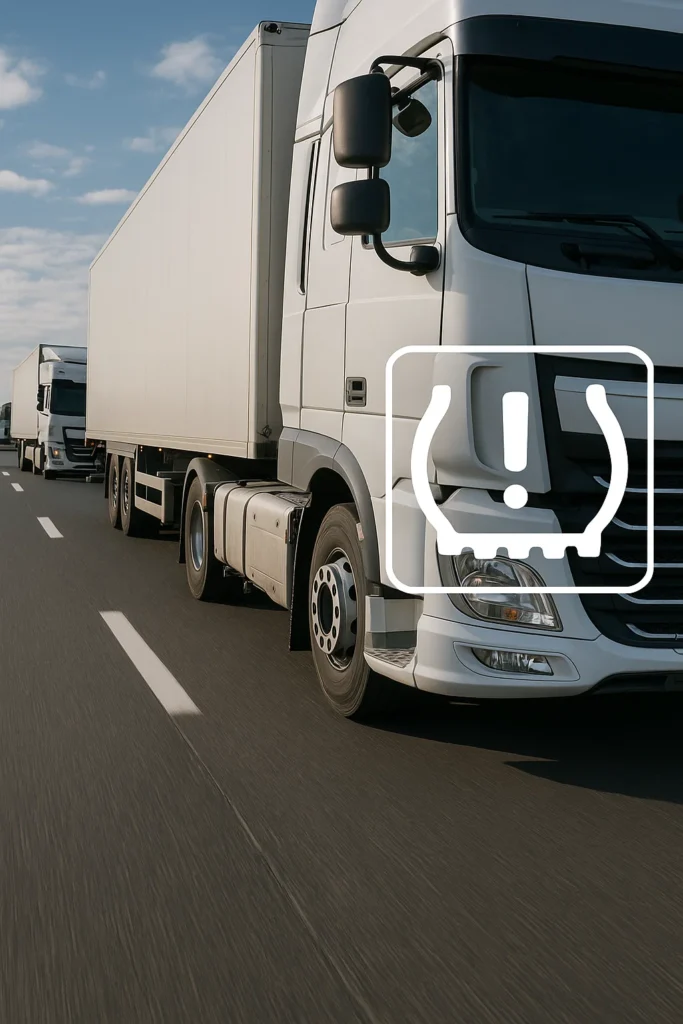
TPMS (Tyre Pressure Monitoring System) is exactly what it sounds like — a system that monitors tyre pressures in real time and alerts you when something’s off.
There are two main types:
- Direct TPMS – sensors inside each tyre send live pressure and temperature readings
- Indirect TPMS – uses wheel speed data to estimate pressure loss
For commercial fleets, direct TPMS is the gold standard. It gives you accurate readings from every tyre — which is what you need when you’re dealing with heavy loads, long routes, and tight schedules.
Why Tyre Pressure Matters So Much
You probably already know this, but it’s worth repeating:
Incorrect tyre pressure is one of the top causes of tyre failure in fleets.
Too low?
- Increases rolling resistance (burns more fuel)
- Causes overheating
- Speeds up sidewall damage
Too high?
- Reduces contact with the road
- Worsens braking
- Leads to uneven wear
Even being just 10% under-inflated can reduce tyre lifespan by 15% or more.
What TPMS Brings to Fleet Operations
Here’s where it really earns its keep:
Early Warnings = Less Downtime
TPMS flags underinflation before it turns into a blowout. That gives drivers and fleet managers time to act — not react.
Better Fuel Economy
Keeping tyres at optimal pressure reduces rolling resistance, which saves fuel. Across a full fleet, that adds up fast.
Lower Tyre Spend
Spotting pressure issues early stops tyres wearing out unevenly or prematurely. That means fewer replacements, and more value per tyre.
Stronger Compliance
TPMS adds a layer of protection. If there’s ever a question around roadworthiness, you’ve got pressure data to show you’re staying ahead.
Better Maintenance Planning
When paired with systems like TyreOps, TPMS feeds into a bigger picture — helping you track tyre health, predict replacements, and build smarter maintenance schedules.
Where Fleets Get the Most Benefit
TPMS shines in fleets that:
- Operate across long distances
- Run mixed loads or varying axle weights
- Have a history of underinflation issues
- Need to hit strict compliance and audit standards
- Want to cut fuel and tyre costs without cutting corners
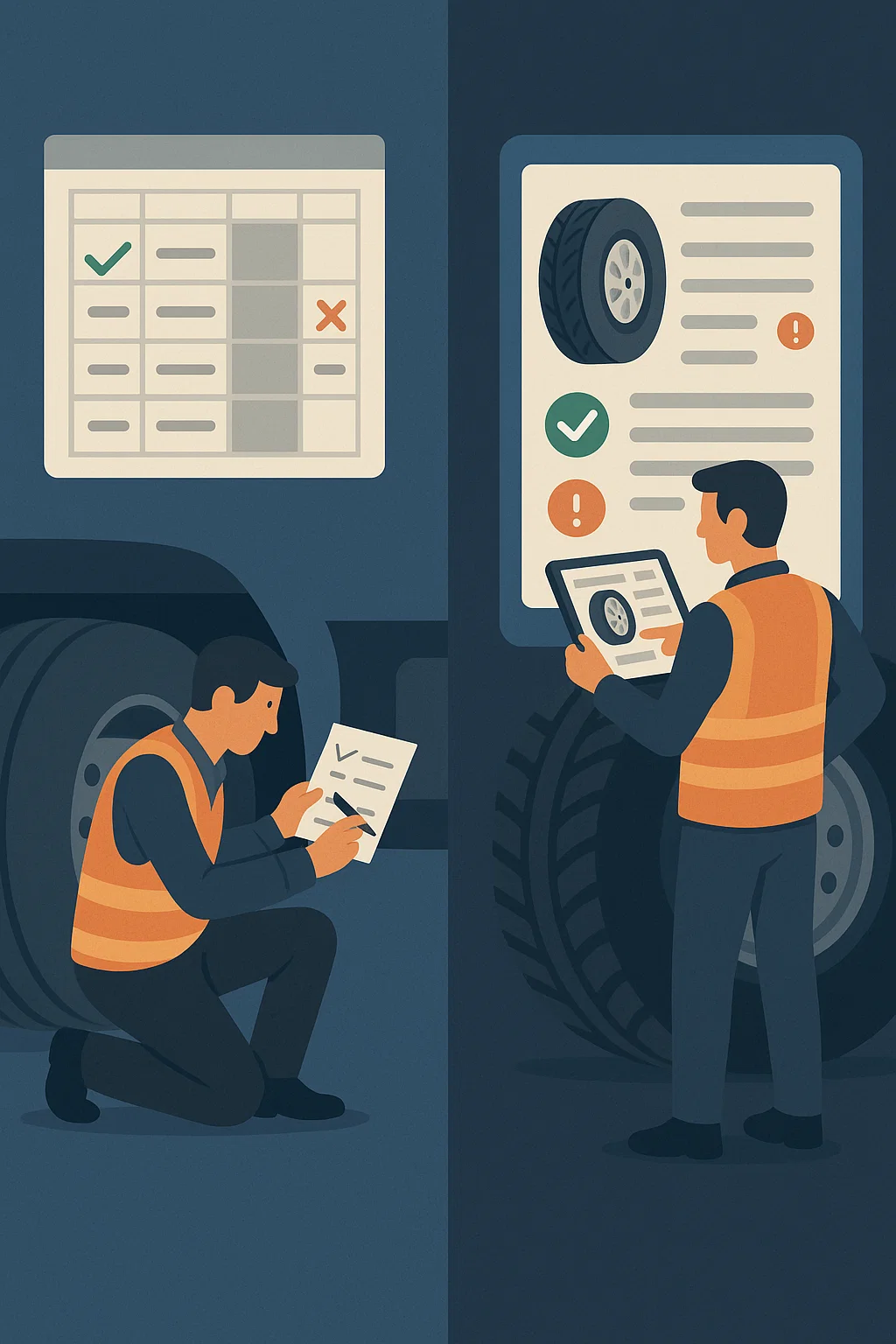
If you’re trying to run leaner and reduce surprises, TPMS gives you real-time insights that paper inspections alone can’t match.
It’s Not a Replacement — It’s a Tool
To be clear: TPMS doesn’t replace manual checks, daily walkarounds, or physical inspections. It supports them.
It’s your early-warning system.
It’s your always-on tyre health monitor.
And when you’re managing dozens (or hundreds) of vehicles, it helps you catch issues you’d otherwise never see coming.
The Future of Tyre Management Is Data-Driven
The best fleets aren’t waiting for something to go wrong before they act. They’re using tools like TPMS — alongside platforms like TyreOps — to get out in front of problems.
Because fewer blowouts means fewer delays.
Because less fuel used means less money wasted.
And because when you’ve got live data on tyre health, you’re making decisions based on facts — not guesswork.