Modern fleet management has become a data-driven operation. Every vehicle, driver, and tyre generates valuable information each day, but too often, that data sits in separate systems that do not talk to each other. When that happens, opportunities to save time, reduce costs, and make smarter decisions are lost.
Understanding why fleet data integration is key to operational success is essential for any operator that wants to stay efficient and competitive. Integration turns scattered data into insight, giving fleet managers the power to see what is really happening across their operation and act on it quickly.
The Modern Fleet Data Challenge
Fleet operations now rely on a long list of digital tools: vehicle telematics, fuel cards, workshop software, tyre management platforms, inspection apps, and maintenance logs. Each system plays its role, but when they work in isolation, data becomes fragmented.
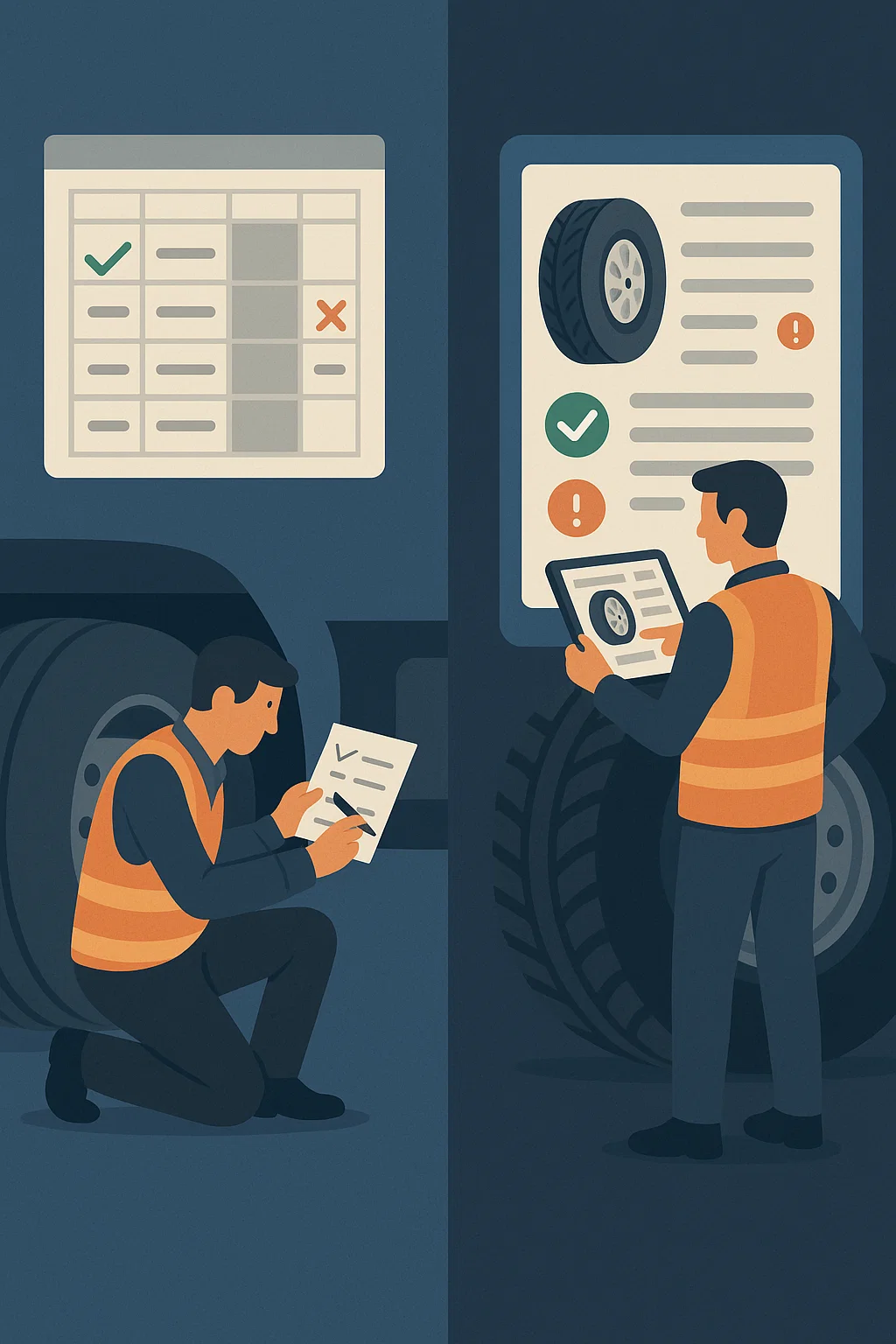
You might have one report showing mileage, another tracking tyre inspections, and another detailing fuel spend. To understand performance, you have to pull those reports manually and piece everything together. It is slow, unreliable, and makes it almost impossible to spot patterns in real time.
This is where data integration changes the game. By connecting your systems through a central platform, every part of your operation starts to work together.
What Data Integration Actually Means
Fleet data integration means linking the various digital tools your business uses so that they share information automatically. Instead of logging into five or six systems to get the full picture, you can access everything from one place.
For example, a tyre inspection logged on-site can instantly appear in your maintenance system. Fuel usage data from telematics can sync with your cost analysis dashboard. Driver alerts or defect reports can feed directly into your scheduling tool.
The result is a single, unified source of truth that reflects what is happening across your entire fleet in real time.
The Business Impact of Integrated Fleet Data
When systems are connected, the benefits are immediate and measurable.
1. Better decision-making
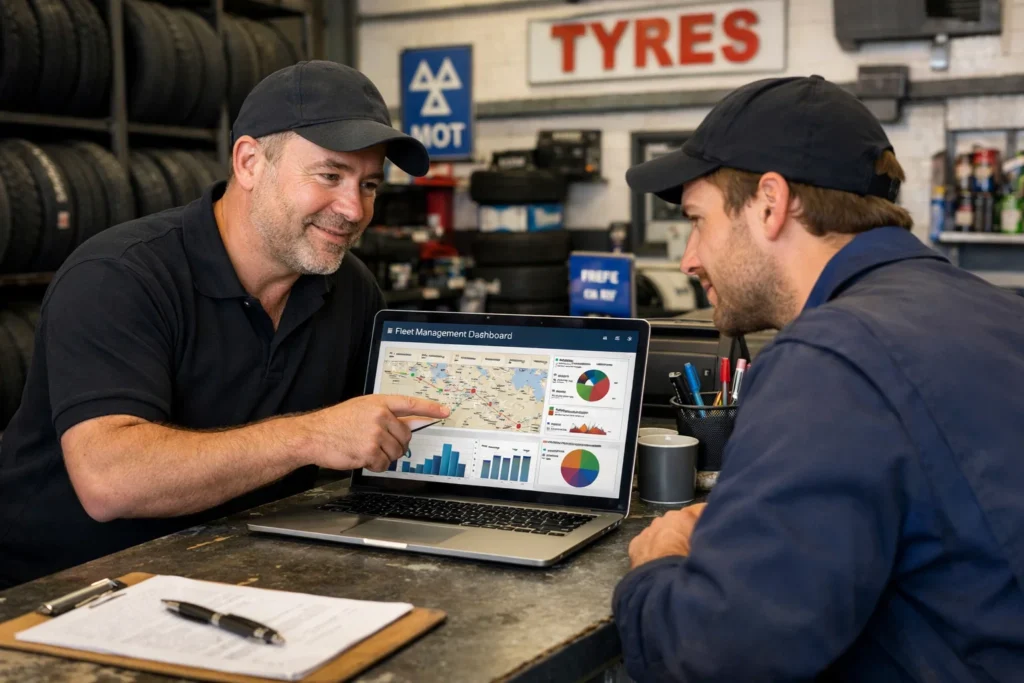
With all data visible in one dashboard, you can make faster, more confident decisions. You can see which vehicles are performing well, which ones are costing you more to run, and where inefficiencies are creeping in.
2. Reduced manual work
Integration eliminates repetitive admin tasks like copying data between spreadsheets or re-entering inspection results. This saves hours each week for fleet and workshop teams.
3. Improved accuracy
Manual data handling always carries the risk of human error. Integrated systems remove that risk, ensuring the data you use for compliance, maintenance, and finance is accurate and up to date.
4. Greater visibility
From tyre pressure readings to fuel usage trends, integration allows you to track everything in one place. This makes it easier to identify issues early before they become expensive problems.
5. Stronger compliance
Accurate digital records make compliance simpler. Inspections, maintenance logs, and tyre checks are automatically recorded, time-stamped, and stored securely.
How Data Integration Improves Fleet Efficiency
When you understand why fleet data integration is key to operational success, you begin to see how it shapes every part of the fleet workflow.
For instance, when tyre management systems such as TyreOps integrate with vehicle telematics and maintenance software, you can automatically link tyre performance data with mileage, load, and driver behaviour. That insight helps you identify why certain tyres wear faster, plan replacements more accurately, and reduce fuel waste caused by poor rolling resistance.
You also gain the ability to align tyre health with other operational data, such as fuel efficiency and route patterns. This makes it easier to schedule proactive maintenance and avoid unexpected downtime.
The more connected your systems become, the more you can automate, measure, and improve.
Turning Data into Real Insight
The true value of integration lies not in the data itself, but in how you use it.
When all your fleet data lives in one place, you can begin to ask bigger questions:
- Which vehicles have the highest cost per mile?
- How does tyre pressure affect our overall fuel spend?
- Are certain drivers using more fuel than others on similar routes?
- Which workshops deliver the fastest turnaround times?
Integrated platforms turn raw numbers into visual insights. Dashboards and reports show trends at a glance, helping managers make informed choices rather than relying on assumptions or incomplete data.
This kind of visibility turns fleet management from reactive to proactive. Instead of waiting for problems to appear, you can prevent them entirely.
Saving Time and Money Through Automation
Integration also enables automation, which is one of the most powerful ways to improve efficiency.
Imagine if a driver completes a tyre inspection through a mobile app, and that data automatically updates the main fleet system, creates a task for the maintenance team, and logs the inspection for compliance — all without anyone manually entering a single detail.
That is what integrated fleet data does. It eliminates delays, prevents duplicate work, and ensures everyone in the organisation sees the same information. Over time, these small improvements lead to significant cost savings and productivity gains.
Improving Communication Across Teams
When data is centralised, communication becomes clearer. Drivers, workshop staff, fleet managers, and finance teams can all access the same up-to-date information.
There is no confusion about whether a tyre inspection was completed, when a service is due, or if a fuel anomaly has been investigated. Integration creates transparency, which helps teams stay aligned and focused on operational goals.
Supporting Sustainability and ESG Goals
Fleet data integration also plays a vital role in environmental performance. When you connect systems that measure tyre pressure, fuel use, and maintenance activity, you gain a complete picture of how your fleet impacts fuel efficiency and emissions.
By analysing this data, operators can identify areas to improve sustainability, such as:
- Reducing idling time
- Optimising routes
- Maintaining correct tyre pressures
- Extending tyre lifespan
Accurate, integrated reporting also makes it easier to demonstrate progress against ESG or carbon reduction targets, which is becoming a key requirement for larger contracts and public sector tenders.
Data Integration as a Competitive Advantage
In a competitive market, efficiency is what separates top-performing fleets from the rest. Integrated data helps operators react faster, spend smarter, and deliver more reliable service to customers.
With systems connected through platforms like TyreOps, fleets can monitor vehicle health, track tyre performance, and manage maintenance in one place. This level of control not only saves money but also improves safety, uptime, and customer satisfaction.
It is no longer enough to have good data; it needs to be connected and usable. Integration is what makes that possible.
Understanding why fleet data integration is key to operational success is about seeing the bigger picture. When all your fleet systems share information, you gain clarity, speed, and control. You stop reacting to issues and start managing your operation strategically.
Integration brings everything together — tyres, vehicles, drivers, and maintenance — into one connected ecosystem. It is the foundation of modern, data-driven fleet management and the path to consistent operational success.
If you want to take control of your data and make it work for you, explore TyreOps for Fleet Operators and see how simple, integrated fleet management can transform your performance.